


Press release
Global NPK Fertiliser Production Cost Analysis Driving Strategic Decisions Across the Agrochemical Sector
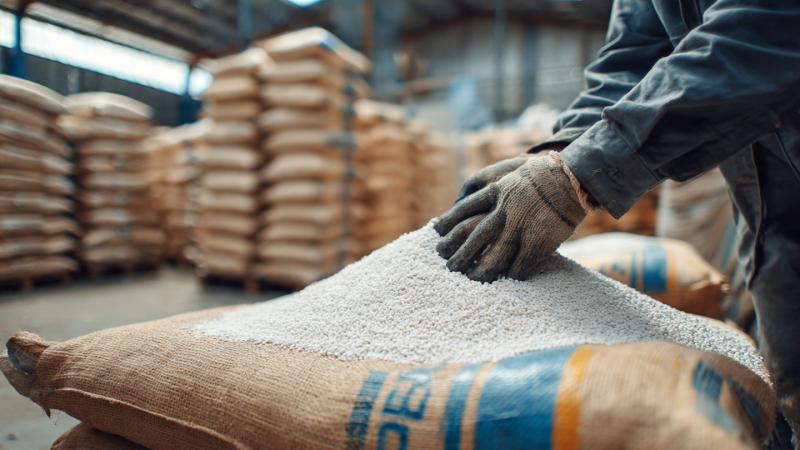
This business-driven article offers an in-depth analysis of NPK fertiliser production cost, covering raw material trends, technology adoption, energy considerations, regional challenges, and long-term market implications. It is designed for manufacturers, investors, consultants, procurement teams, and stakeholders aiming to make informed decisions in a highly competitive fertiliser industry.
Get Your Free Sample Report Today:- https://www.procurementresource.com/production-cost-report-store/npk/request-sample
Understanding NPK Fertiliser Production Cost Structure
The production cost of NPK fertiliser is influenced by a combination of raw material prices, plant operations, transportation, regulatory compliance, and labour efficiency. Manufacturers rely on various production processes such as bulk blending, granulation, and chemical reactions to achieve specific nutrient ratios.
Key cost components include
Raw materials: The cost of ammonia, urea, phosphates, potash, and fillers directly influences the final product price. Raw material volatility is often driven by global mining output, energy prices, and geopolitical conditions.
Processing technology: Modern granulation techniques and automated blending systems demand significant capital investment but reduce long-term operational costs through efficiency.
Energy consumption: Natural gas, electricity, and thermal energy are integral to production. Variations in energy tariffs have immediate effects on production cost.
Logistics and packaging: Transportation from mines to manufacturing facilities, followed by distribution to agricultural hubs, constitutes a large share of total expenditure.
Regulatory compliance: Fertiliser manufacturing requires adherence to environmental and safety standards, adding both financial and operational considerations.
Understanding these cost drivers enables businesses to optimize production strategies and anticipate market risks.
Global Raw Material Market Impact on NPK Fertiliser Production Cost
Raw materials represent the largest contributor to NPK fertiliser production cost. The global ammonia market is influenced by natural gas prices, which are heavily affected by weather patterns, energy demand, and political stability across major producing regions.
The phosphate segment depends on mining operations, beneficiation facilities, and sulphuric acid production, making it highly sensitive to mining regulations and logistics challenges. Potash, sourced from underground mines, is subject to production quotas, export policies, and supply chain bottlenecks, all of which directly impact NPK pricing.
Procurement experts increasingly rely on real-time commodity intelligence tools to monitor raw material fluctuations. A deeper understanding of input price correlations helps businesses anticipate cost pressures and revise pricing models accordingly.
Technology Integration Optimizing NPK Fertiliser Production Cost
The fertiliser industry is undergoing a digital and mechanical transformation, where production efficiency and cost optimization are driven by automation, advanced granulation systems, and real-time monitoring technologies.
Key technology-driven cost benefits
Digital monitoring: Production plants use IoT and data logging systems to track moisture levels, granule strength, and nutrient uniformity, reducing wastage.
Advanced granulation: Modern fluid bed granulation and drum granulation enhance product quality and improve throughput, lowering per-unit production costs.
Energy-efficient operations: Upgraded boilers, enhanced heat recovery systems, and optimized burner technologies dramatically reduce energy usage.
Sustainable production models: Companies adopting low-emission ammonia synthesis and phosphate recovery methods gain cost advantages through reduced regulatory liabilities.
These technological advancements not only reduce NPK fertiliser production cost but also balance sustainability with profitability.
Regional Insights Shaping NPK Fertiliser Production Cost Trends
Regional economies significantly influence production cost due to variations in energy tariffs, labour expenses, domestic mineral availability, and regulatory norms.
Asia Pacific
Asia remains the largest producer due to abundant labour, domestic mineral reserves in some countries, and rapidly growing agricultural demand. However, rising energy prices and import dependence for certain phosphate and potash grades influence cost structures.
Europe
European manufacturers face higher energy costs and stringent environmental norms, elevating overall production cost. However, advanced technologies and integrated manufacturing infrastructure help maintain product consistency.
North America
North America benefits from abundant natural gas reserves, which help reduce ammonia production costs. The region also maintains one of the strongest supply chain networks supporting affordable manufacturing.
Latin America and Africa
These regions depend significantly on imported raw materials, resulting in fluctuating NPK fertiliser production cost. Despite this, increasing agricultural investments are encouraging local production capacities.
Strategic Importance of Monitoring NPK Fertiliser Production Cost
Understanding production cost is crucial for agribusinesses in multiple ways:
Pricing strategy: Companies use cost insights to set competitive prices without compromising profitability.
Investment planning: Investors rely on cost analysis to assess project feasibility and expected returns.
Supply chain optimization: Real-time cost tracking helps businesses secure favourable contracts with suppliers.
Risk mitigation: Volatile input prices and market disruptions can be addressed through long-term procurement planning.
Market entry evaluation: Entrepreneurs planning new NPK units require precise cost insights to calculate capital expenditure, operational expenses, and break-even periods.
NPK Fertiliser Production Cost:- https://www.procurementresource.com/production-cost-report-store/npk
Future Outlook for NPK Fertiliser Production Cost
The global NPK fertiliser market is shifting toward sustainable and technologically enhanced production models. Over the coming years, businesses will witness:
Renewable ammonia integration: Using green hydrogen to produce ammonia will gradually reduce emissions and offer long-term cost stability.
Circular resource utilization: Phosphorus recovery from wastewater and potash recycling techniques are emerging.
AI-enabled production lines: Smart plants will minimize downtime and maintain consistent quality at optimized costs.
Market consolidation: Mergers and partnerships will reshape economies of scale, influencing production cost across the value chain.
These factors underline the strategic significance of staying updated with NPK fertiliser production cost trends for long-term competitiveness.
Frequently Asked Questions (FAQ)
What is NPK fertiliser production cost?
It refers to the total cost required to manufacture NPK fertiliser, including raw materials, labour, energy, technology, and logistics.
Why is NPK fertiliser production cost important for manufacturers?
It helps businesses evaluate profitability, manage pricing strategies, and plan investments.
Which raw materials influence NPK fertiliser production cost the most?
Ammonia, phosphates, and potash are the major raw material contributors due to their global price volatility.
How does technology affect NPK fertiliser production cost?
Advanced granulation processes and automated monitoring systems reduce wastage and improve operational efficiency.
Does energy price fluctuation impact production cost?
Yes, natural gas and electricity prices significantly affect the cost of ammonia production and overall processing.
Which regions have competitive NPK production costs?
Regions with local mineral reserves and affordable energy sources, such as parts of Asia and North America, tend to have lower production costs.
How do environmental regulations impact cost?
Compliance with emissions and waste management norms adds operational expenses and capital investment requirements.
Is sustainable production reducing long-term cost?
Yes, green technologies lead to lower energy consumption, fewer emissions, and long-term operational savings.
How can investors use production cost data?
Cost trends help investors evaluate project feasibility and potential return on investment.
What future trends will influence NPK fertiliser production cost?
Green ammonia, AI-driven plants, resource recycling, and supply chain digitization will significantly reshape cost structures.
Contact Information
Company Name: Procurement Resource
Contact Person: Ashish Sharma (Sales Representative)
Email: sales@procurementresource.com
Location: 30 North Gould Street, Sheridan, WY 82801, USA
Phone: UK: +44 7537171117
USA: +1 307 363 1045
Asia-Pacific (APAC): +91 1203185500
Procurement Resource is a leading market research firm that specializes in providing detailed insights and analysis on the procurement and production costs of various commodities and products. With a team of seasoned industry experts, Procurement Resource offers comprehensive reports that cover all aspects of the supply chain, from raw material sourcing to final product manufacturing. Their services are designed to help businesses optimize their procurement strategies, reduce costs, and enhance efficiency. By leveraging their in-depth market intelligence and proprietary cost models, Procurement Resource enables clients to make informed decisions, stay competitive, and drive sustainable growth in an ever-evolving market landscape.
This release was published on openPR.
Permanent link to this press release:
Copy
Please set a link in the press area of your homepage to this press release on openPR. openPR disclaims liability for any content contained in this release.
You can edit or delete your press release Global NPK Fertiliser Production Cost Analysis Driving Strategic Decisions Across the Agrochemical Sector here
News-ID: 4301590 • Views: …
More Releases from Procurement Resource
Grey Cast Iron Price Trend: Market Movement, Analysis, Forecast, and Regional In …
Grey Cast Iron prices have been moving through a steady but mildly volatile cycle as foundries across the world balance fluctuating raw material costs, inconsistent availability, and varying industrial demand. Even with a soft global manufacturing climate, the metal held its ground due to sustained consumption in automotive components, machinery, pipes, and engineering applications.
Enquire for Regular Prices:-https://www.procurementresource.com/resource-center/grey-cast-iron-price-trends/pricerequest
Prices stayed firm in most regions as rising energy rates, coke cost fluctuations, and…

Neoprene Rubber Price Trends: Market Overview, Analysis, and Forecast Insights
The global neoprene market continues to experience evolving dynamics driven by shifting industrial demand, feedstock volatility, and changing global trade patterns. As manufacturers, procurement teams, and downstream users navigate an increasingly interconnected supply chain, monitoring Neoprene Rubber Price Trends becomes essential for better cost planning and strategic decision-making. Neoprene, scientifically known as polychloroprene, is widely used in automotive components, cables, adhesives, construction materials, gaskets, and protective gear due to its…
Sodium Ethoxide Price Trend: Global Market Analysis, Key Drivers, and Industry I …
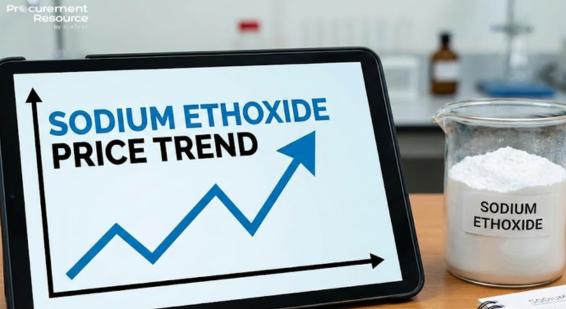
The Sodium Ethoxide Price Trend has become a crucial indicator for businesses operating within pharmaceuticals, agrochemicals, organic synthesis, dyes, and specialty chemical manufacturing. As industries increasingly depend on high-purity reagents and catalysts to optimize production efficiency, understanding price movements of sodium ethoxide has become a strategic necessity for procurement teams, analysts, and chemical manufacturers.
Request for Real-Time Prices:- https://www.procurementresource.com/resource-center/sodium-ethoxide-price-trends/pricerequest
Sodium Ethoxide (C2H5ONa), a highly reactive alkoxide, is primarily used as a strong…

Stearic Acid Price Trend Analysis for Strong Market Visibility and Business Grow …
The Stearic Acid Price Trend continues to shape strategic decisions across cosmetics, personal care, pharmaceuticals, rubber manufacturing, and industrial chemicals. As global demand evolves and supply chain routes face new pressures, businesses require clear insights into the direction of the Stearic Acid Price Trend to optimize procurement, manage costs, and seize opportunities in competitive sectors. The market is influenced by feedstock conditions, industrial growth patterns, geopolitical changes, sustainability standards, and…
More Releases for NPK
Global Control And Slow Release NPK Fertilizer Market Size by Application, Type, …
USA, New Jersey- According to Market Research Intellect, the global Control And Slow Release NPK Fertilizer market in the Internet, Communication and Technology category is projected to witness significant growth from 2025 to 2032. Market dynamics, technological advancements, and evolving consumer demand are expected to drive expansion during this period.
The market for control and slow release NPK fertilizer is expanding significantly as a result of growing consumer demand for environmentally…
Global Control And Slow Release NPK Fertilizer Market Size by Application, Type, …
USA, New Jersey- According to Market Research Intellect, the global Control And Slow Release NPK Fertilizer market in the Internet, Communication and Technology category is projected to witness significant growth from 2025 to 2032. Market dynamics, technological advancements, and evolving consumer demand are expected to drive expansion during this period.
Rising demand for efficient and sustainable farming practices is driving significant expansion in the control and slow-release NPK fertilizer sector. Farmers…
Horticulture Crop Boom To Drive Water-Soluble NPK Fertilizer Market: A Significa …
The Water Soluble NPK Fertilizers Market Report by The Business Research Company delivers a detailed market assessment, covering size projections from 2025 to 2034. This report explores crucial market trends, major drivers and market segmentation by [key segment categories].
What Is the Water Soluble NPK Fertilizers Market Size and Projected Growth Rate?
The market for water soluble npk fertilizers has seen significant growth recently. The size of the market will surge from…
NPK fertiliser Prices, Monitor, Demand Analysis and Forecast
𝐍𝐏𝐊 𝐅𝐞𝐫𝐭𝐢𝐥𝐢𝐬𝐞𝐫 𝐏𝐫𝐢𝐜𝐞 𝐈𝐧 𝐔𝐒𝐀
𝐔𝐧𝐢𝐭𝐞𝐝 𝐒𝐭𝐚𝐭𝐞𝐬: 569 USD/MT
The price for NPK fertiliser in the United States reached 569 USD/MT. The NPK fertiliser market in United States fluctuated throughout the quarter mainly due to the rising demand, excessive supply and mixed energy production costs.
The latest IMARC Group report, "𝐍𝐏𝐊 𝐅𝐞𝐫𝐭𝐢𝐥𝐢𝐬𝐞𝐫 𝐏𝐫𝐢𝐜𝐞𝐬, 𝐓𝐫𝐞𝐧𝐝, 𝐂𝐡𝐚𝐫𝐭, 𝐃𝐞𝐦𝐚𝐧𝐝, 𝐌𝐚𝐫𝐤𝐞𝐭 𝐀𝐧𝐚𝐥𝐲𝐬𝐢𝐬, 𝐍𝐞𝐰𝐬, 𝐇𝐢𝐬𝐭𝐨𝐫𝐢𝐜𝐚𝐥 𝐚𝐧𝐝 𝐅𝐨𝐫𝐞𝐜𝐚𝐬𝐭 𝐃𝐚𝐭𝐚 𝐑𝐞𝐩𝐨𝐫𝐭 𝟐𝟎𝟐𝟒 𝐄𝐝𝐢𝐭𝐢𝐨𝐧," presents a detailed analysis of NPK Fertiliser…
NPK Fertilizers Market
Nitrogen, Phosphorus and Potassium (NPK) Fertilizers Market report gives detailed explanation of the estimations about the existing state of the market, market size and market share, revenue generated from the product sale, and necessary changes required in the future products are given in an appropriate way.
A swiftly transforming market place increases the value of market research report and hence Nitrogen, Phosphorus and Potassium (NPK) Fertilizers Market report has been…
Global NPK Fertilizer Market 2018 - Yara, Euro Chem., Acron
Eminent Market Reports, recently published a detailed market research study focused on the “NPK Fertilizer Market” across the global, regional and country level. The report provides 360° analysis of “NPK Fertilizer Market” from view of manufacturers, regions, product types and end industries. The research report analyses and provides the historical data along with current performance of the global PP Pipe industry, and estimates the future trend of NPK Fertilizer on…

